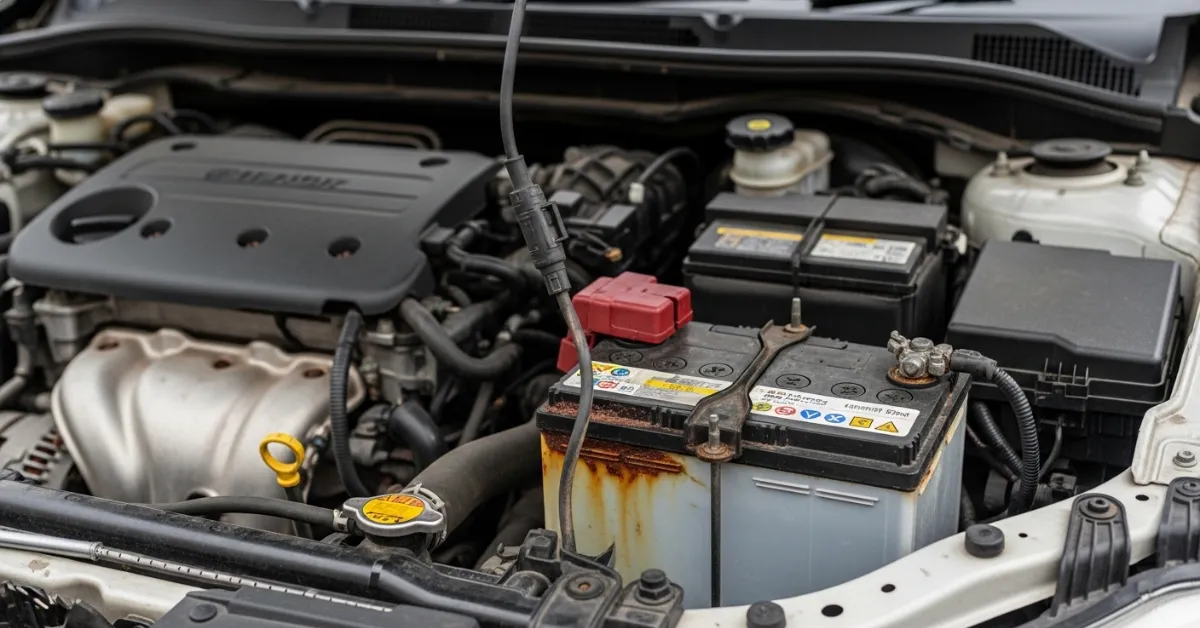
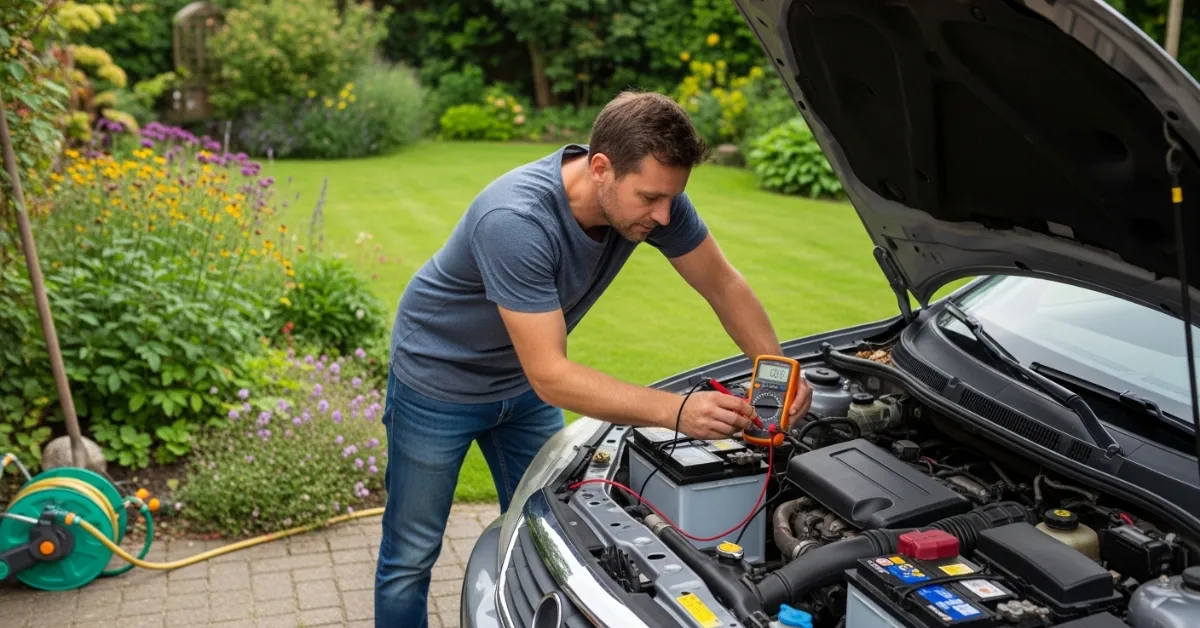
A weak battery can make your car difficult to start and may leave you stuck without warning. Many drivers prefer checking the battery at home before calling for help, and a simple multimeter can give a clear idea about the battery’s condition. It allows you to see whether the battery still has enough power or if it is starting to fail.
The steps are simple, and you don’t need much experience to follow them. With a quick test, you can avoid sudden breakdowns and decide if your battery needs charging or replacement. This guide will show you the easiest and safest way to check your car battery using a multimeter.
Why Battery Testing Is Essential for Drivers in Abu Dhabi?
Car batteries in Abu Dhabi face tougher conditions than most places. The strong heat, frequent short trips, and heavy AC usage put extra load on the battery, causing it to weaken faster. Regular testing helps you catch early signs of failure before the car refuses to start.
- The heat wears batteries quickly, reducing their lifespan.
- Short daily trips don’t fully recharge the battery.
- AC and electronics increase the load, especially in summer.
- Weak batteries fail without warning, often at busy times.
- Testing helps you plan replacement early, avoiding breakdowns.
Tools You Need to Test Your Car Battery at Home
Testing your battery is straightforward. You only need:
- Digital Multimeter (DMM), preferably with auto-range
- Safety gloves
- Safety glasses
- A clean cloth
- Wrench (only if you need to clean terminals)
Step-by-Step Process to Check If a Car Battery Is Dead With a Multimeter
Checking a car battery with a multimeter is one of the simplest ways to find out whether the battery is healthy or close to failing. The process is safe, quick, and can be done at home with just a few basic preparations. Follow the steps below to test your battery accurately and confidently.
1. Prepare for a Safe Testing Environment
Before you begin, make sure the area is safe and the car is completely powered down. This protects both you and the multimeter from any electrical issues.
What to do first:
- Park the car on a flat surface
- Switch off the engine
- Turn off all lights, AC, radio, and accessories
- Wear gloves for basic protection
- Open the bonnet and locate the battery
A clean and calm setup ensures the readings stay accurate.
2. Set the Multimeter to the Correct Mode
Your multimeter must be in the right setting to measure the battery’s voltage properly.
Set it like this:
- Select DC Voltage (V, )
- If your multimeter isn’t auto-ranging, choose the 20V range
This range is ideal because car batteries operate around 12 volts.
3. Connect the Multimeter Probes Properly
This step allows the multimeter to measure the battery’s actual voltage. Make sure the probe connections are firm and steady.
How to connect:
- Red probe → Positive terminal (+)
- Black probe → Negative terminal (–)
If the terminals have dust or mild corrosion, wipe them gently to ensure a clean connection.
4. Read and Understand the Voltage Display
Once the probes touch the terminals, the multimeter will show a number. This number tells you the battery’s condition.
How to understand the results:
- 12.6V – 12.7V → Fully charged and healthy
- 12.4V – 12.5V → Partially charged but still acceptable
- 12.2V – 12.3V → Weak and may cause starting issues
- 12.0V – 12.1V → Very weak and close to failing
- Below 12V → Battery likely dead and needs replacement
A lower reading means the battery cannot hold enough charge to start the car reliably.
5. Perform a Cranking Test (Optional but Very Useful)
A cranking test shows how the battery behaves when the car is starting. This gives a more realistic picture of its strength.
Here’s what to do:
- Keep the probes connected
- Ask someone to turn the key to start the car
- Watch how low the voltage drops
What the drop means:
- Above 10V → Good, battery can handle starting load
- 9V – 10V → Weak, battery may fail soon
- Below 9V → Very weak or dead battery
This test helps you detect an aging battery before it fails completely.
6. Check Alternator Charging Output (Optional Final Step)
Sometimes the battery is not the real problem; the alternator might not be charging it correctly. Testing this avoids unnecessary battery replacement.
How to check alternator output:
- Start the engine
- Keep the multimeter connected
- Check the displayed voltage
Normal reading:
- 13.7V – 14.7V → Alternator charging correctly
Warning signs:
- Below 13V → Alternator not charging enough
- Above 15V → Overcharging, which damages the battery
This step helps you understand whether the issue is the battery or the charging system.
Common Symptoms of a Failing or Dead Car Battery
A weak or dying battery usually shows clear signs before it stops working completely. Noticing these early symptoms helps you avoid unexpected breakdowns and keeps your vehicle running smoothly.
- Slow engine crank: The engine takes longer than usual to start.
- Dim headlights: Lights appear weaker, especially when starting the car.
- Electrical issues: Radio, AC, or power windows feel sluggish.
- Dashboard battery warning light: The battery or charging system may be struggling.
- Clicking sound when turning the key: Battery doesn’t have enough power to crank.
- Car needs frequent jump-starts: A clear sign of a failing battery.
- Corrosion on terminals: Buildup that interrupts proper power flow.
- Unstable voltage: The battery can’t hold a charge consistently.
Why Car Batteries Fail Faster in Abu Dhabi?
Car batteries in Abu Dhabi tend to wear out more quickly than in other places. The hot weather, short trips, and heavy use of car electronics put extra strain on the battery. Understanding these reasons helps you take better care of your battery.
Main reasons include:
- High heat: Hot temperatures make batteries lose power faster.
- Short trips: Driving only short distances does not give the battery enough time to recharge.
- AC and electronics use: Air conditioning, lights, and other devices put an extra load on the battery.
- Old battery: Older batteries hold less charge over time.
- Dirty or corroded terminals: Dust and corrosion can stop the battery from working well.
- Voltage drops when starting: The battery may lose voltage quickly in hot weather when you start the car.
How to Maintain Your Car Battery for Longer Life?
A well-maintained car battery can last longer, save you from breakdowns, and keep your car running smoothly. Simple habits and regular care make a big difference, especially in hot climates like Abu Dhabi.
1. Keep Battery Terminals Clean
Corrosion or dirt on the battery terminals reduces power flow and can damage the battery over time.
Tips:
- Wipe terminals with a clean cloth regularly
- Use a small brush for mild corrosion
- Apply a thin layer of petroleum jelly to prevent buildup
2. Avoid Leaving Electronics On When The Engine is Off
Radio, AC, lights, and other electronics drain the battery if the engine isn’t running.
Tips:
- Turn off the lights, AC, and music before leaving the car
- Avoid using phone chargers or other accessories when parked
3. Drive Regularly and Long Enough
Short trips do not give the battery enough time to recharge fully.
Tips:
- Drive at least 20–25 minutes per week at normal speed
- Longer trips help maintain a full charge, especially after battery tests
4. Check the Alternator Belt
A loose or worn belt reduces the alternator’s ability to charge the battery.
Tips:
- Inspect the belt for wear or cracks
- Replace if it appears loose or damaged
- Ensure it maintains proper tension for consistent charging
5. Secure the Battery Properly
A battery that moves around can get damaged, especially on bumpy roads.
Tips:
- Make sure the battery is tightly fastened in its holder
- Avoid unnecessary vibration or jolts
- Keep it stable to prevent internal damage
6. Monitor Battery Age and Condition
Even with good care, batteries wear out over time.
Tips:
- Note the installation date of your battery
- Test regularly for voltage and performance
- Replace batteries approaching 3–4 years of age or showing weakness
When Should You Replace Your Car Battery?
Replace the battery if:
- Voltage drops to 11.8V or below
- Cranking voltage dips under 8V
- The battery is older than 2.5–3 years
- You smell rotten eggs
- Battery case is swollen
- Frequent jump-starts are required
Delaying battery replacement increases the risk of breakdown, especially in Abu Dhabi’s heat.
Why is Professional Car Battery Replacement Important?
A car battery is very important for your vehicle. If it fails, your car may not start when you need it most. Professional battery replacement ensures you get the right battery for your car, installed safely and correctly. Experts also check the battery and charging system so you can drive without worries.
Professional Car Battery Replacement in Abu Dhabi services provide top battery brands and high-quality products. This helps your battery last longer and work better. With expert installation, you avoid problems like loose connections or damage that can happen with DIY replacements, keeping your car reliable every day.
Conclusion
Regularly checking your car battery helps prevent unexpected breakdowns and keeps your vehicle running smoothly. A multimeter gives a quick, accurate reading so you know when the battery needs charging or replacement. Simple care, like keeping terminals clean and driving regularly, can extend its life.
Taking proper steps and staying aware of battery health ensures your car remains reliable and ready to drive at all times, making daily trips in Abu Dhabi safer and stress-free. By paying attention to battery maintenance, you can also save money on repairs and avoid last-minute emergencies.