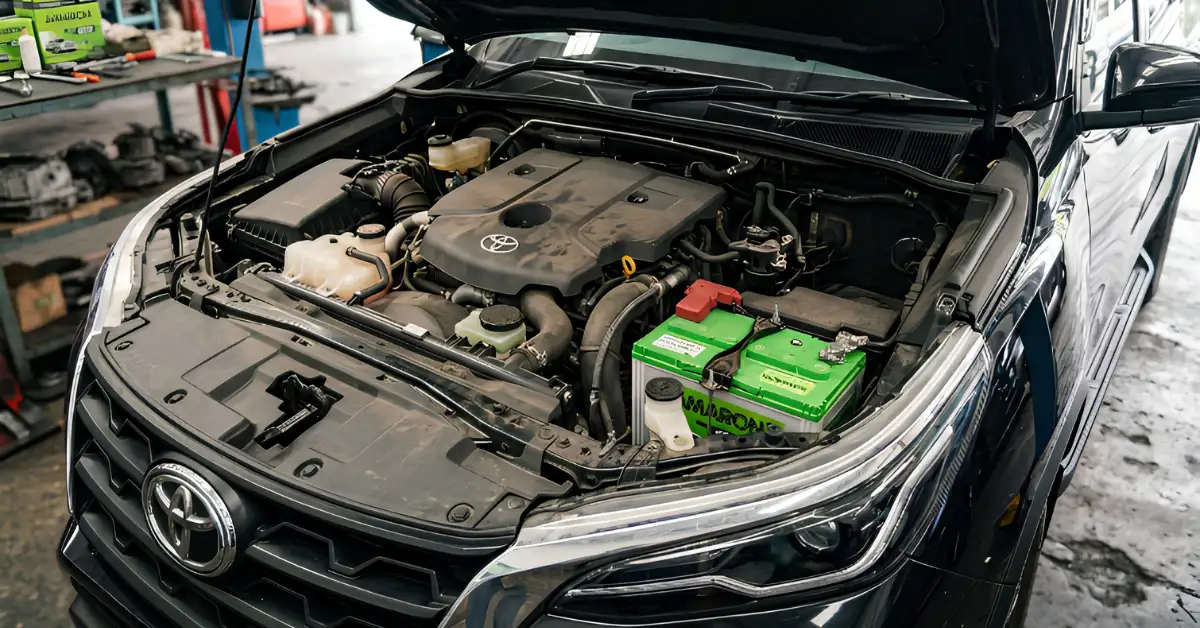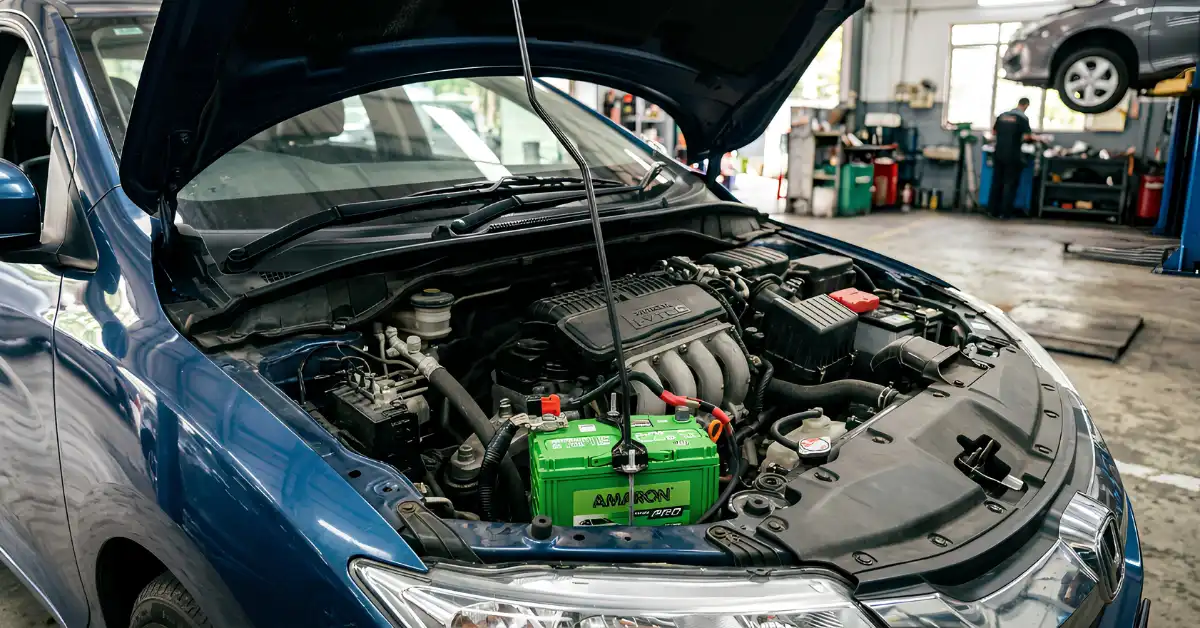
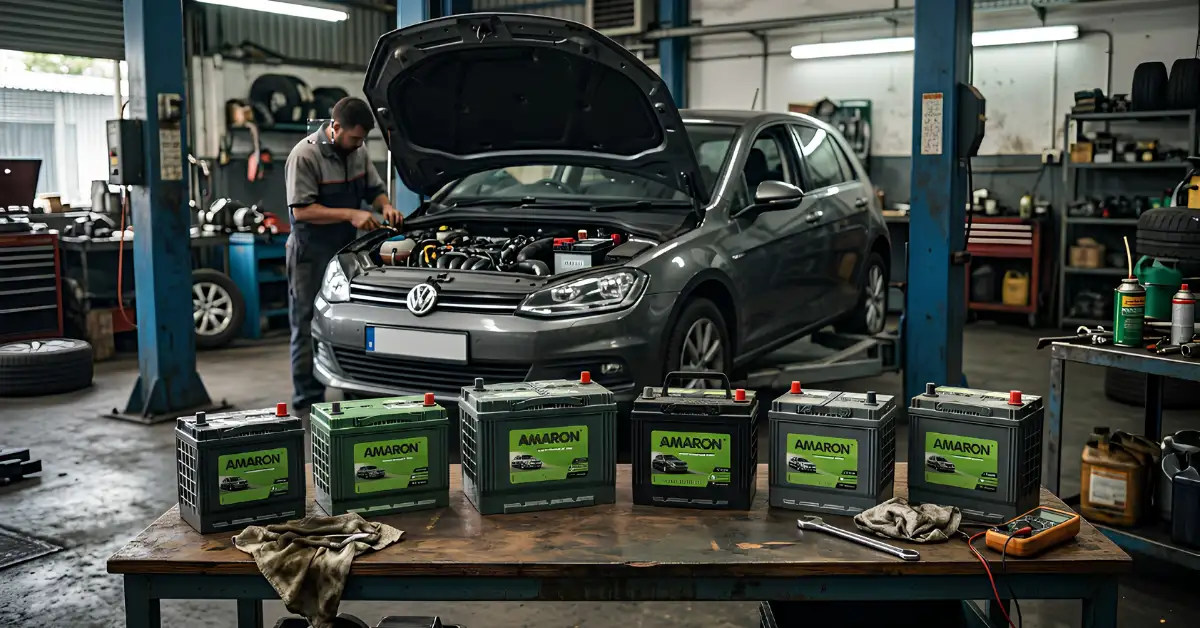
Choosing a car battery is not only about picking a trusted brand. The battery must also match your car’s engine, electrical system, size, and power needs. A wrong battery can cause starting trouble, poor performance, or even damage to the charging system.
To find the right Amaron battery for your car model in Abu Dhabi, first check the battery size and terminal layout. Then compare the Ah and CCA ratings with the vehicle maker’s requirements.
You should also check the battery type, polarity, physical fit, and warranty before buying. A proper battery test can confirm whether replacement is really needed.
Expert Tips To Find the Right Amaron Battery for Your Car Model in Abu Dhabi
1. Check the Battery Size Recommended for Your Car
Battery size is one of the first things to check before buying a replacement. Car batteries come in different case sizes, terminal layouts, and mounting designs. Even when two batteries have similar power ratings, one may not fit correctly in the battery tray.
The battery should sit firmly without moving during driving. Its terminals must also line up with the vehicle cables. Your owner’s manual can provide the correct battery group or size.
You can also compare the label on the old battery. Never choose a larger battery only because it has a higher capacity.
2. Understand the Ah Rating
Ampere-hour, or Ah, shows the battery’s capacity to supply electrical energy over time. A battery with a higher Ah rating can normally store more electrical energy than one with a lower rating. However, higher capacity does not always mean better performance for every car.
The charging system is designed around the vehicle’s electrical needs. Using a battery with an unsuitable rating may affect charging and battery life. Check the original battery specification before changing the Ah rating.
For many cars, the correct replacement is close to the factory rating rather than simply the highest capacity available.
3. Compare Cold Cranking Amps
Cold Cranking Amps, known as CCA, measures the battery’s ability to deliver strong current for engine starting under a standard cold test. Abu Dhabi has a hot climate, but CCA is still an important battery specification.
A suitable CCA rating gives the starter motor enough current to turn the engine properly. Large engines, diesel engines, and vehicles with high electrical loads may need stronger starting power.
Do not select a battery only by its CCA number. It should also match the required case size, Ah rating, terminal position, and battery technology for the vehicle.
4. Check Battery Polarity and Terminal Position
Polarity refers to the location of the positive and negative terminals on the battery. This detail is easy to miss when comparing different battery models. A battery may physically fit into the tray but still have the wrong terminal layout.
If the cables cannot reach the correct terminals, installation becomes unsafe or impossible. Reversing battery polarity can also cause serious electrical problems. Check whether your vehicle requires left-positive or right-positive terminal positioning before purchase.
The terminal size should also match the vehicle cables. These small details can prevent fitting problems during a battery replacement.
5. Match the Battery to the Engine Type
The engine plays a major role in selecting the correct starting battery. A small petrol engine usually has different starting requirements from a large diesel engine. Diesel engines often need higher cranking power because their compression system requires more effort during starting.
Vehicles with turbochargers, large engines, or heavy electrical equipment may also place greater demand on the battery. Start-stop vehicles can have different battery requirements as well.
Before selecting a replacement, identify the exact engine size, fuel type, model year, and trim level. The same car model can use different battery specifications across different versions.
6. Consider the Car’s Electrical Load
Modern vehicles use many electrical systems, including infotainment units, cameras, sensors, electric seats, safety systems, and advanced driver assistance features. Luxury vehicles can have an even higher electrical demand.
When the engine is off, these systems may still draw power from the battery. The battery must have enough reserve capacity to support normal use without becoming deeply discharged.
Frequent short trips can make this issue more important because the alternator may not have enough time to restore the energy used during starting. Drivers should consider both the original battery specification and the vehicle’s normal electrical load.
7. Choose the Correct Battery Technology
Different vehicles may require different battery technologies like AGM and EFB. Standard maintenance-free batteries are common in many petrol and diesel cars. Some newer vehicles use Enhanced Flooded Battery, or EFB, technology for start-stop systems.
Others may need Absorbent Glass Mat, known as AGM, because of higher electrical demand and frequent charging cycles. Amaron offers battery ranges using different technologies and specifications for different vehicle needs.
The technology should match the vehicle’s original design. Replacing an AGM battery with a basic battery, for example, may reduce performance and service life in a vehicle designed for AGM use.
8. Consider Abu Dhabi’s Hot Climate
High temperatures can affect battery performance and service life. Heat increases the rate of chemical reactions inside a lead-acid battery. This can speed up water loss, corrosion, and plate wear when the battery is exposed to repeated high temperatures.
Abu Dhabi’s hot weather makes battery condition especially important. A battery that already has weak capacity may fail sooner during heavy use. Drivers should check battery voltage, charging voltage, and overall condition during routine service.
Parking in direct sunlight for long periods can also increase under-bonnet temperatures. Regular testing helps identify a weak battery before it leaves the car unable to start.
9. Check the Battery’s Physical Fit
A replacement battery must fit securely inside the vehicle’s battery compartment. Important measurements include length, width, height, terminal position, and base design. The hold-down clamp must also secure the battery correctly.
A loose battery can move because of road vibration, which may damage the case or terminals. The battery bonnet or cover should close properly after installation. Some vehicles have tight battery compartments where even a small difference in dimensions can create a problem.
Always compare the new battery with the vehicle’s original specification rather than relying only on the battery brand or general vehicle model.
10. Check the Manufacturing Date
Battery age is another useful factor when choosing a replacement. Lead-acid batteries can slowly lose charge while sitting in storage, especially if they are not stored and maintained correctly.
A fresh battery is generally a better choice than an old unit that has remained on a shelf for a long time. Check the manufacturer’s date code or production information before purchase. You should also make sure the battery has been stored properly.
A professional supplier can help confirm the battery’s condition and voltage before installation. This gives you more confidence that the battery is ready for service.
11. Use the Correct Battery for Start-Stop Cars
Start-stop vehicles switch the engine off when the car stops and restart it when the driver moves again. This can happen many times during a normal journey. As a result, the battery may experience more starting cycles than a conventional vehicle.
Standard batteries are not always suitable for this type of operation. EFB or AGM technology may be required depending on the vehicle design.
The car’s Battery Management System, or BMS, can also monitor battery condition and charging. When replacing a battery in some modern cars, the new battery may need to be registered or coded with the vehicle system.
12. Get the Battery Tested Before Replacing It
A weak starting performance does not always mean the battery itself is faulty. A professional test can check the battery’s state of charge, starting ability, and overall condition.
A technician may use a digital battery tester to measure voltage and estimated CCA. The charging system should also be checked because a faulty alternator can cause repeated battery problems.
A healthy battery with a low state of charge may only need proper charging, while an old battery with poor test results may need replacement. Testing first can help avoid spending money on the wrong repair.
13. Check the Alternator and Charging Voltage
The alternator charges the battery while the engine is running and supplies electrical power to the vehicle. If the alternator is weak, the new battery may also become discharged. A technician can measure charging voltage and check the alternator’s output under different electrical loads.
The serpentine belt, terminals, and charging connections should also be inspected. Loose or corroded connections can create voltage drops and affect starting performance.
A proper battery replacement should therefore include a basic charging-system check. This is especially useful when the old battery failed earlier than expected.
14. Review Warranty and Replacement Terms
Warranty is an important part of battery selection. Amaron batteries are available with different warranty periods depending on the product range, market, and application. Before buying, check the exact warranty offered for the battery you are selecting.
Keep the invoice and warranty details in a safe place. Some warranty plans may include free replacement during an initial period and pro-rata coverage later, depending on the terms.
Make sure the battery serial number and purchase details are recorded correctly. Understanding the warranty can make future claims easier if the battery develops a genuine manufacturing problem.
Signs That Your Current Battery May Be Weak
Drivers can often notice warning signs before a battery fails completely. Slow engine cranking is one of the most common signs. The headlights may also become dim when the engine is off, while electrical accessories may behave strangely.
Some modern cars can display battery, charging, or multiple system warnings when voltage becomes unstable. Repeated jump starts are another clear warning that the electrical system needs attention. However, these symptoms can also come from alternator faults, poor connections, or electrical drains. Testing the complete starting and charging system is the best way to identify the real cause.
Common Mistakes When Buying a Car Battery
Many battery problems start with a poor replacement choice. Drivers may select a battery based only on price or brand without checking the vehicle specification. Others may choose the highest Ah or CCA rating without considering physical size and charging-system requirements.
Buying an old stock battery can also reduce expected service life. Another common mistake is ignoring terminal polarity or the battery technology used by a start-stop system.
Avoid these mistakes by checking:
- The correct battery size and dimensions
- Ah and CCA requirements
- Positive and negative terminal positions
- Battery technology and vehicle compatibility
- Manufacturing date and condition
- Charging-system health
- Warranty terms
- Proper installation and battery registration when required
Why Professional Battery Installation Can Help?
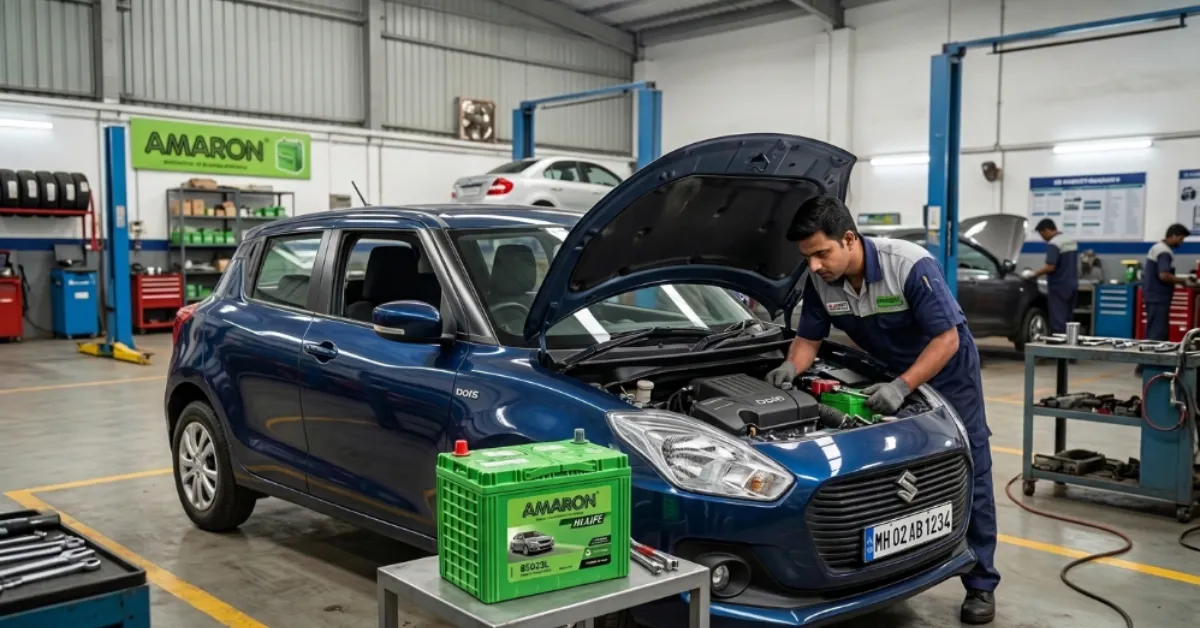
Battery replacement may look simple, but modern cars can have complex electrical systems. A technician can test the old battery, confirm the correct replacement, and inspect the terminals before installation.
The new battery can then be secured correctly and tested after fitting. Some vehicles also need battery registration through a diagnostic scanner. This step can help the charging system understand that a new battery has been installed.
Professional installation also reduces the risk of loose terminals, incorrect polarity, or poor connections. For vehicles with advanced electrical systems, correct installation is just as important as choosing the right battery.
Final Thoughts
The best battery is not simply the one with the highest rating or the lowest price. It is the battery that matches your car’s electrical system, engine, size, battery technology, and starting needs.
Check the original battery specification and compare the Ah, CCA, dimensions, polarity, and technology before making a purchase. Abu Dhabi’s high temperatures also make battery condition and charging-system health important.
If you are unsure about the correct model, battery testing and professional advice can prevent an incorrect purchase and help your vehicle start reliably.
For drivers who need battery testing, replacement, installation, or related car battery services in Abu Dhabi, 800 Car Battery Replacement can help you check the battery and select a suitable replacement for your vehicle.